Tzu Chi Foundation Philippines × ProVeg International

Better food. Better planet.

Veg Up! makes plant-based meals the easy, affordable, everyday choice on campus — starting with the 40% Good Food Shift at Philippine partner universities.

0% Good Food Target
0 Partner Universities
0 Project Phases
2025 Program Launch
A food systems initiative built for campuses.

Veg Up! is a project of Tzu Chi Foundation Philippines, supported by ProVeg International, that promotes a practical, measurable transition toward plant-based food options in university canteens.

The initiative aligns with environmental sustainability, nutrition, and institutional responsibility — designed to be scalable, affordable, and accessible for students.

70%

More food will be needed by 2050 — yet one-third of arable land is already degraded.

  • 8.2 billion people today, growing to 9.1 billion by 2050
  • Animal agriculture is a leading driver of greenhouse gas emissions
  • Food insecurity, soil erosion, and resource exploitation demand urgent action
40%

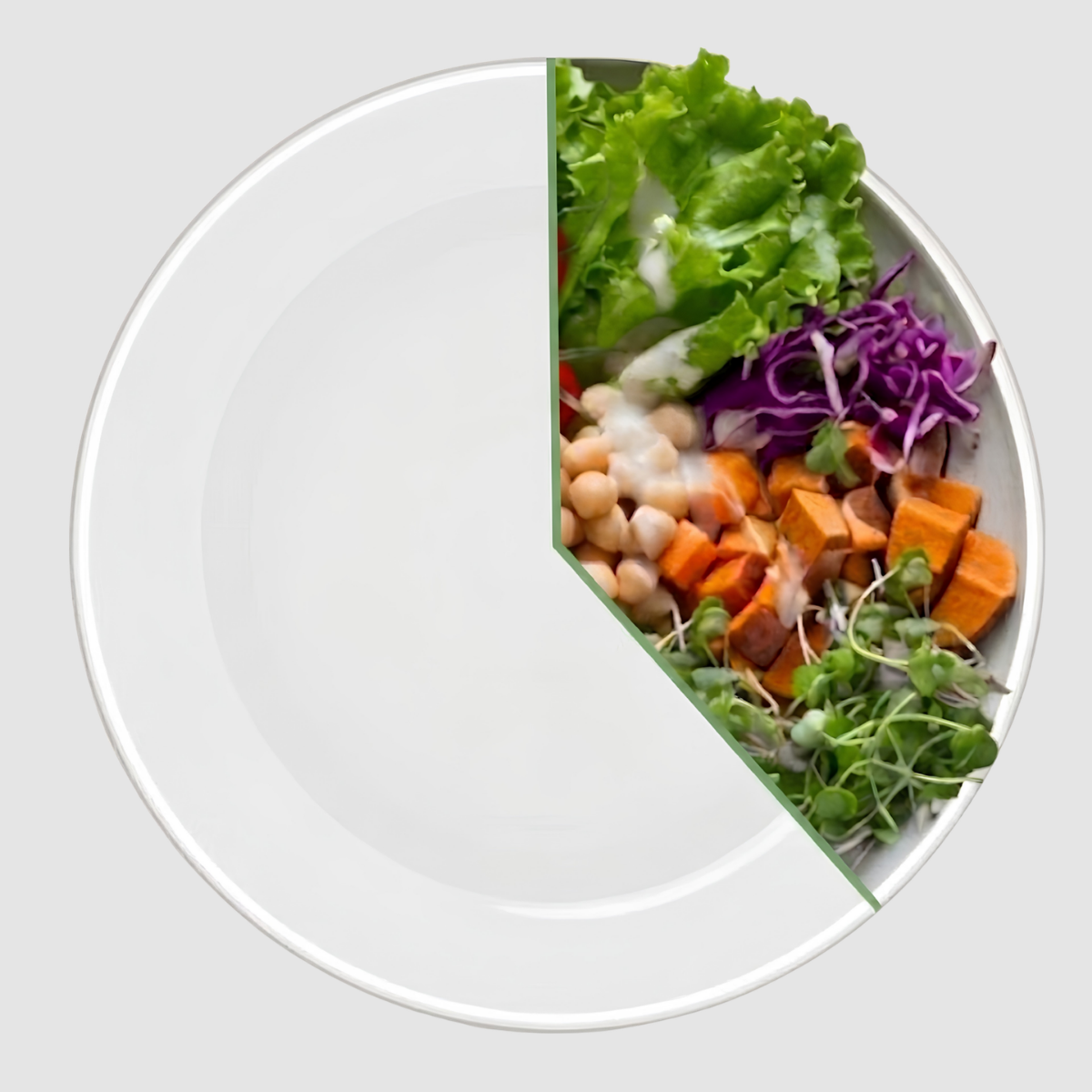
The Good Food Shift replaces 2 of every 5 meat dishes with plant-based options.

  • Complements Pinggang Pinoy with the ProVeg plant-based food plate
  • Locally sourced proteins — tofu, mushrooms, beans, seasonal vegetables
  • Same price or less than regular canteen options
4

A four-phase rollout built for measurable, lasting impact.

  • Phase 1 — Planning: partnership frameworks & team setup
  • Phase 2 — Implementation: menu rollout & student engagement
  • Phase 3 — Monitoring: track adoption, assess challenges
  • Phase 4 — Closing: document outcomes & hand off for sustainability

Can we feed the world without destroying the planet?

The imbalance in food production and distribution poses serious challenges that demand urgent action.

🌾

Food Insecurity

One-third of arable land has been threatened by erosion, seawater, and pollutants in the past 40 years — degrading the very soil that feeds us.

🌍

Climate Impact

To have any chance of meeting climate goals, food systems and diets need to transform. Animal agriculture is one of the largest contributors to global emissions.

💧

Resource Strain

Conventional food production exploits enormous amounts of energy, water, and land. Plant-based alternatives require a fraction of these resources.

"To have any chance of meeting climate goals, the food system and diets need to transform."

The 40% Good Food Shift

Replace 2 out of every 5 meat dishes with plant-based alternatives — expanding choice, not removing it.

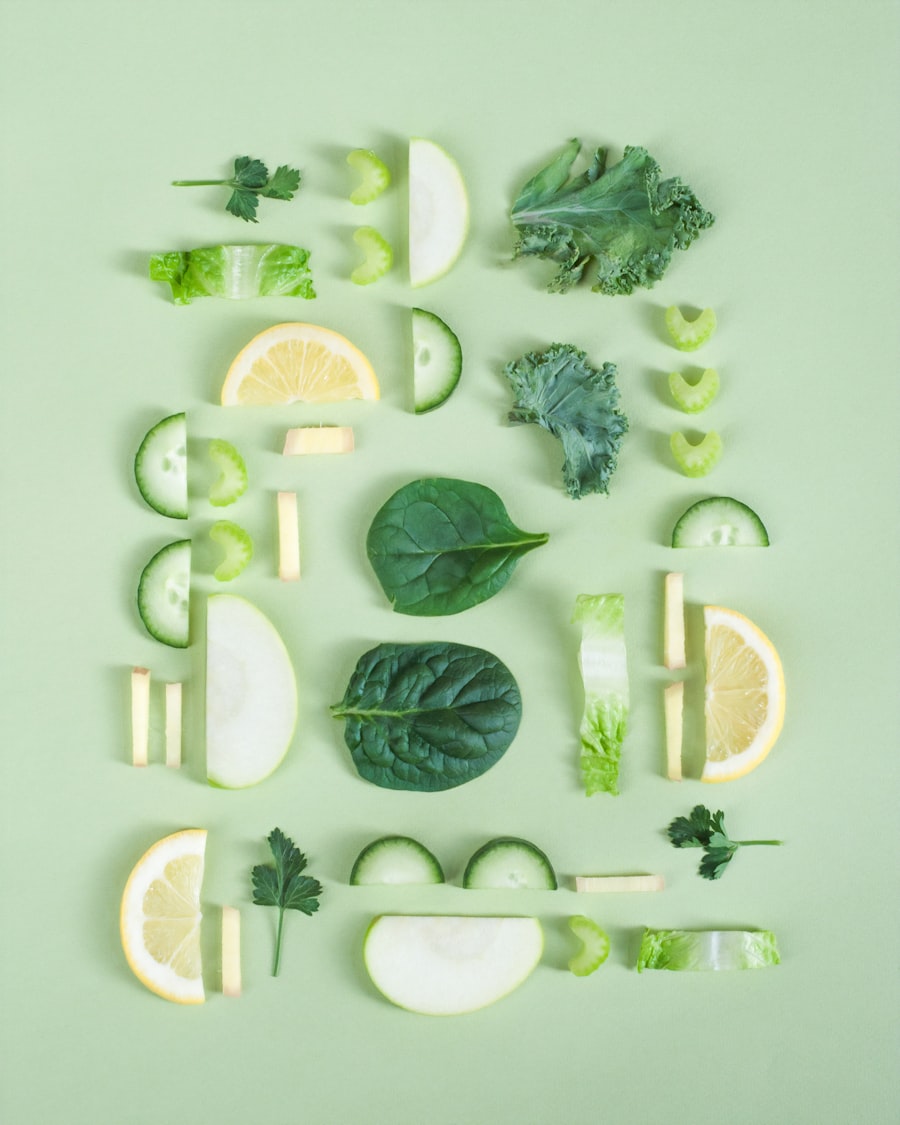
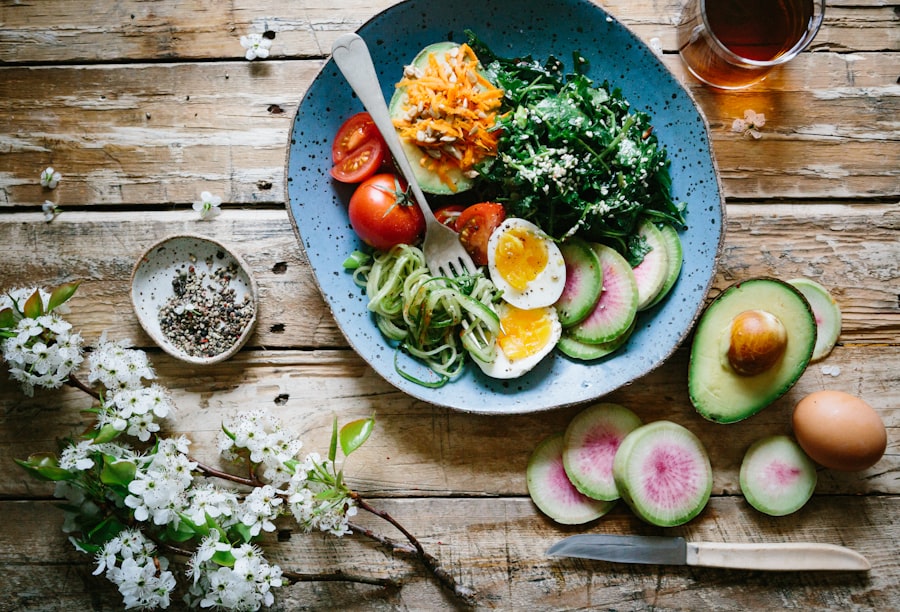
Colorful plant-based meal ingredients
40% Good Food
Shift
Plant-based (2 of 5 dishes)
Existing options retained

Veg Up! implements a simple, measurable goal: replace 2 out of every 5 meat dishes served in school cafeterias with plant-based alternatives.

This isn't about removing choice — it's about expanding it. Students who want healthy, sustainable, affordable meals can find them on campus every single day.

Pinggang Pinoy
Pinggang Pinoy Go Grow Glow
½ Glow — fruits & veggies
¼ Grow — protein-rich foods
¼ Go — energy-giving carbs

DOST-FNRI · Recommended for healthy Filipino adults 19–59 yrs old

+

Ways to Make Your Meals More Earth-Friendly

Small, everyday choices add up to meaningful change.

Eat the Rainbow 🌈

Different colors in fruits and vegetables provide different nutrients. Aim for variety every meal.

Red vegetables
Red Tomatoes, red pepper, strawberries Heart health, antioxidants
Orange vegetables
Orange Carrots, squash, sweet potato Eye health, immunity
Yellow vegetables
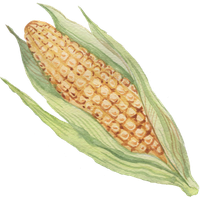
Yellow Corn, banana, yellow bell pepper Digestion, skin health
Green vegetables
Green Broccoli, spinach, peas Bone health, detox
Purple vegetables
Purple Eggplant, purple cabbage Brain health, anti-aging
White vegetables
White Cauliflower, garlic, onion Immunity, gut health
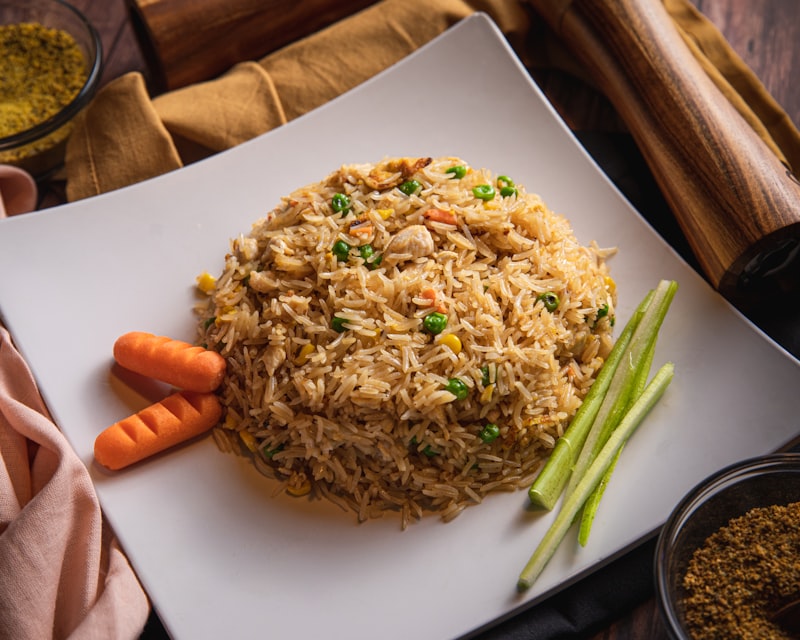
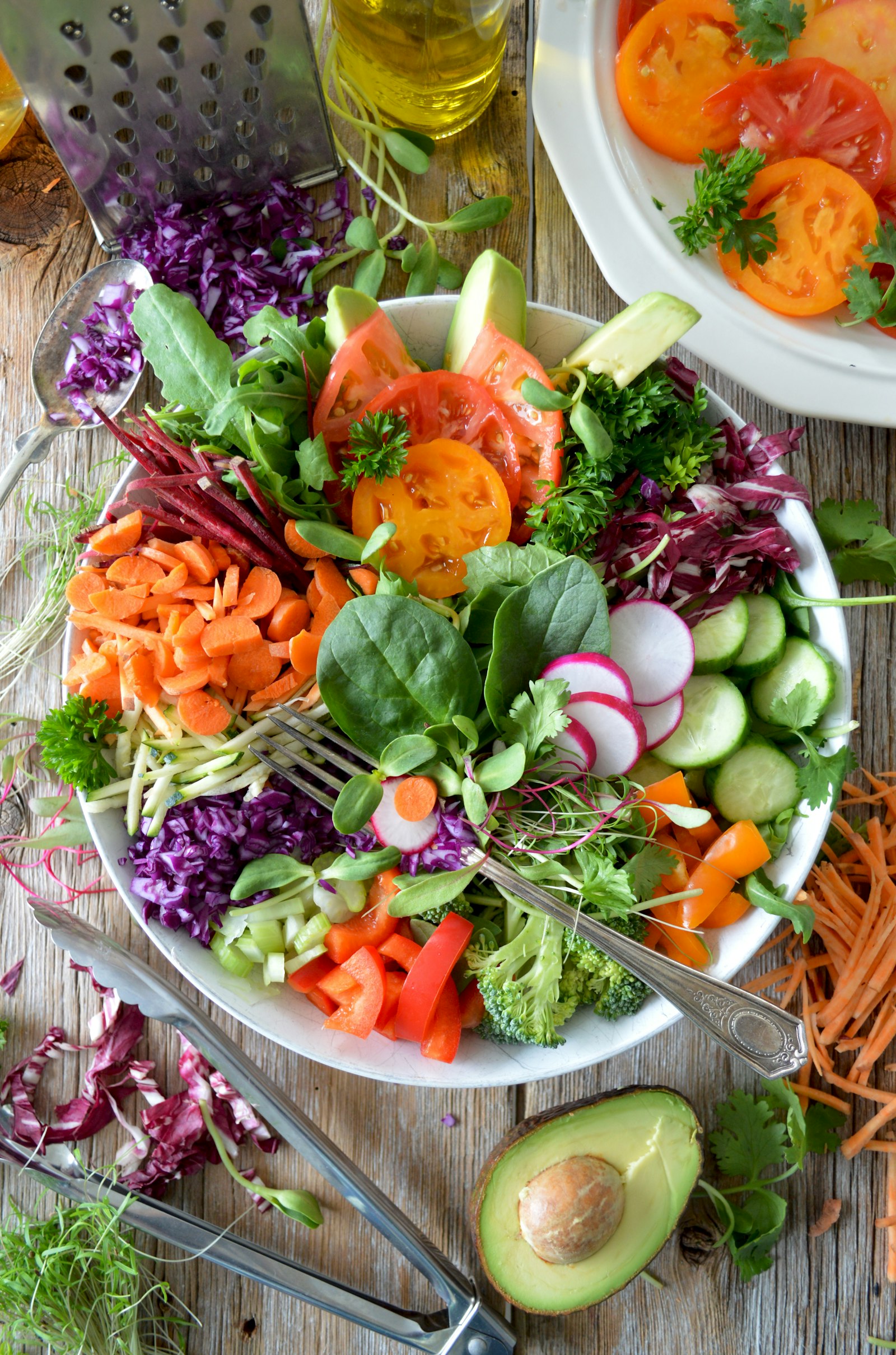
Plant-based meal Fresh vegetables Healthy food bowl
01

Start Small

Begin with one meat-free dish a day or a meatless day per week. Include protein-rich ingredients like nuts, legumes, and beans to stay balanced.

02

Ditch the Dairy

Cattle are responsible for about 65% of livestock-related emissions. Try plant-based milks, cheese, butter, and yogurt — all widely available.

03

Substitute Smartly

Meatless doesn't mean flavorless. Try kombu, shiitake mushrooms, nutritional yeast, or kala namak for deep umami flavors.

04

Cook with Others

Trying something new is more fun with company. Make a plant-based meal together — it's an easy first step into the movement.

Where the Shift Starts

Veg Up! is currently active in two Manila universities.

Philippine Normal University

Public · Teacher Education & Research · Ermita, Manila

The national center for teacher education in the Philippines — a natural partner for systems-level advocacy.

De La Salle University

Private Catholic · Research University · Taft Ave, Manila

One of the Philippines' premier research institutions, committed to sustainability and social development.

Program Rollout

A systematic four-phase implementation designed for measurable, lasting impact.

Planning phase
01

Planning

Partnership frameworks, team formation, system preparation, and resource development for a structured rollout.

Implementation phase
02

Implementation

Plant-based menu offerings introduced, advocacy activities conducted, students engaged, canteen operations supported.

Monitoring phase
03

Monitoring & Evaluation

Progress tracked, adoption assessed, challenges identified, and data used to continuously improve outcomes.

Closing phase
04

Closing & Reporting

Lessons documented, outcomes evaluated, and opportunities for long-term sustainability identified and handed off.

Common Questions

Everything you need to know about Veg Up! — from student questions to partner inquiries.

Get Involved

Not at all. We are all about expanding options, not limiting choices. Our goal is simply to ensure that students who want to eat healthier, more sustainable, and affordable plant-based meals can easily find them on campus every single day.

No. By working closely with canteen cooks to substitute expensive meats with nutrient-dense, locally sourced plant proteins (tofu, mushrooms, beans, seasonal vegetables), Veg Up! meals are designed to cost the same as — or even less than — regular canteen options.

Absolutely. Every recipe introduced on the Veg Up! menu is vetted against nutrition guidelines to ensure a complete, balanced macronutrient profile — keeping students full and energized through lectures and org meetings.

You can apply to be a student volunteer, or simply take the Veg Up! pledge to choose a plant-based meal once or twice a week. Follow our official channels for volunteer sign-ups and updates.

Institutions interested in partnering with Veg Up! can reach out through Tzu Chi Foundation Philippines. The program provides a complete partnership framework, training, and canteen transition support at no additional cost to the school.

Tzu Chi Foundation Philippines × ProVeg International

Be Part of the Good Food Shift

Whether you're a student, a canteen operator, a university administrator, or a sustainability advocate — there's a meaningful role for you in this movement.

🎓

Students

Take the pledge. Choose plant-based once a week. Volunteer with your campus chapter.

🏫

Universities

Join as a partner institution. We provide the framework, training, and full canteen transition support.

🤝

Organizations

Collaborate on advocacy, events, and content. Help amplify the Good Food Shift in your network.

Contact Tzu Chi Foundation Philippines

References

01

World population at 8.2 billion (2025)

Worldometers — World Population Clock ↗
02

Population projected to reach 9.1 billion by 2050

United Nations — Global Issues: Population ↗
03

World needs 70% more food by 2050; one-third of arable land threatened

ISAAA — Crop Biotech Update ↗
04

Pinggang Pinoy — recommended Filipino food plate model

DOST-FNRI — Food & Nutrition Research Institute ↗
05

ProVeg plant-based food plate and food system transformation

ProVeg International ↗
06

Cattle responsible for ~65% of livestock-related GHG emissions

FAO — Livestock Emissions Report ↗
07

Plant-based proteins require up to 80% less land than animal proteins

Poore & Nemecek — Science, 2018 ↗
08

Livestock accounts for 14.5% of all global greenhouse gas emissions

FAO — Tackling Climate Change through Livestock, 2013 ↗